Money moves
when outcomes do.
The funder commits the money up front. Sanafin verifies the outcome and instructs settlement the moment the threshold is met. Either side can re-compute the verdict.
For digital therapeutics, medicines and advanced therapies, and the funders behind their evidence · 4 signed letters of intent

Type 2 diabetes digital programme
CHF 60,000 of CHF 180,000
- Month 6 · HbA1c thresholdReleased
- Month 12 · sustainedHeld
- Adherence bonusHeld
Recognised by Swiss innovation programmes · Research from ETH Zurich and HSG
 Winner
 Programme
 Programme
The problem
Healthcare has decided to pay for outcomes.
Every programme settles it backward.
The condition is already law in all four. None of them built the layer that holds the money and releases it on an outcome either side can verify.
Medicines · Switzerland
CHF 9.7bn17
of 2025 OKP spend went on medicines — a fifth of the total
Settles backward — the insurer pays, then collects the rebate.
GLP-1 · Switzerland
52%19
of GLP-1 patients stop within twelve months
Settles on paper — forms, and a check every six months.
Health apps · Germany
EUR 25m+20
of repayment claims at risk. Nine manufacturers insolvent
Settles through claims — against companies that may be gone.
Gene therapy · United States
11 years15
reconciling outcomes CMS negotiated for 32 states, DC and Puerto Rico
Settles by reconciliation — paid first, rebated later.
Today
- Evidence built by hand, per payer: CHF 100k to 250k a project.12
- No payer money until the evidence already exists.
- The verdict lives in a spreadsheet nobody can re-run.
With Sanafin
- The funder commits up front; a licensed custodian holds it.
- The result is checked against a threshold fixed in advance.
- Either side re-computes the proof from the export.

Why now
Three jurisdictions wrote the rule.
None built the settlement.
In two years the US, Germany and Switzerland moved from paying for access to paying for results — gene therapy, apps, medicines, chronic care. Every one wrote the condition and left out the settlement.
- Mar 2025United States
CMS negotiated outcomes for gene therapy
CMS negotiates outcomes-based agreements for 32 states, DC and Puerto Rico. It settles by rebate, over eleven years.
32 states
- Jan 2026Germany
Outcome-linked pricing became law for apps
At least 20% of an app's price must depend on measured performance (§ 134 SGB V). How it settles is left to the parties. No product has done it yet.
≥ 20%
- Feb 2026Switzerland
A legal basis for outcome rebates on medicines opened
Art. 52b E-KVG went to consultation with CHF 350M of annual savings attached — the first Swiss rule tying a medicine's price to the result.
CHF 350M
- Jul 2026Switzerland
A reimbursement path opens, with a proof requirement
Product group 40 opened for digital health applications. The first listing was admitted under evaluation only, to 31 December 2026.
MiGeL Ch. 40
- Jul 2026United States
Chronic care payment tied to measured results
The CMS ACCESS model starts. Payment depends on the share of patients meeting biomarker or PROM thresholds — well beyond drugs and devices.
Thresholds
- Today15 Apr 2027Germany
The first outcome data falls due
Fifteen months after the pricing rule, the first performance data is due. The deadlines do not line up, and nothing holds the money in between.
Evidence due
Where this goes
One settlement layer,
three sizes of money.
The money waits for the outcome, whatever the outcome is about. We start where proof is cheapest and move to where paying first costs the most.
Proving ground
Now
CHF 6M22
Digital therapeutics before listing · Switzerland
Study budgets available a year, in a market where seven of eight published decisions were rejected for want of evidence.6
Cheapest place to prove that a funder will commit money to a threshold.
First revenue
2029
CHF 350M18
Outcome-conditional drug payment · Switzerland, then Germany
Outcome rebates targeted a year under Art. 52b E-KVG, in consultation since February 2026.
The same contract, two orders of magnitude more money per arrangement.
The destination
2030
USD 5.9bn21
Advanced therapies · Europe, then the United States
Spent on advanced therapies in 2023, growing about 65% a year. Instalment payment is already the agreed model.
Where paying first and reconciling later costs the most to get wrong.
Each figure is the money in play in that venue — a ceiling on what could settle against an outcome, not a forecast of what Sanafin earns. None of these programmes has a settlement layer today.
How it works
First, it refuses to pay.
Then it pays. Then it proves it.
A funder commits only if refusal is automatic. If the system cannot say no, its yes is worth nothing. Eight seconds of film, then the three moments that matter.
- Outcome verifiedChecked against the pre-agreed threshold
- Threshold metWZW-native scoring passes the cut-off
- Settlement instructedCustody partner releases the funds, with a replayable proof
L4  WZW EVALUATION
  wirksamkeit               54 / 100
  zweckmässigkeit           34 / 100
  wirtschaftlichkeit        0 / 100
  composite                 29 / 100 · insufficient
  released to manufacturer  CHF 0
  returned to funder        CHF 180,000
L6  SETTLEMENT          returned_to_funder
One hundred patients, CHF 180,000 committed before the first enrolment. The composite comes in at 29 against a cut-off of 75. Nothing is released; the money returns to the funder.

- verdict
- insufficient
- composite
- 29 / 100 cutoff 75
- certificate
- 7aaa8b486159…
- recomputed
- 7aaa8b486159… · match
Synthetic cohort · illustrative figures

Meet the team“If the system cannot say no, its yes is worth nothing. Every buyer in this market has already seen a demo that only ever says yes.”

The product
Sanafin Outcome Studio.
Five stages, one API.
01 · Collect · 02 · Monitor
The data you already send a payer, watched over time.
FHIR R4 or CSV intake, consent check, baseline. Then a biomarker stream with dropout guardrails, so evidence gaps show before anyone commits to a threshold.
- Care app
- EHR · FHIR R4
- Lab results
- CGM
- Pharmacy
- Wearables
- Enrolled
- 100
- Active
- 94
- Evidence gaps
- 2
- Data freshness
- Live
03 · Verify
Checked against the contract.
WZW-native scoring under Art. 32 KVG, pass or fail against the pre-agreed threshold.
04 · Finance
Committed up front, held by a custodian.
Pay-for-performance, shared savings or bundled terms. Funds sit with a licensed custody partner, never with Sanafin.
contract t2d_programme
  committed  CHF 180,000
  held_by    licensed_custodian
  when       hba1c.delta <= -0.5
  at         month = 6
  release    CHF 60,000
  else       return_to_funder
05 · Settle
Released when the threshold is met.
One settlement instruction, a Swiss-conformant invoice, a signed audit record. Unmet milestones return to the funder.
One REST API, one audit chain. Every value hashed on entry; the certificate re-computable from the exported file.
POST /v1/verifications → { "verdict": "meets_wzw", "certificate": "7aaa8b48…" }
Where we start
Metabolic health first.
Longevity next.
Measurable endpoints, rising spend, funders already asking for conditional terms. One example contract design, not customer data.
Example contract · illustrative
Type 2 diabetes screening
1,000 adults at risk, screened digitally
- Committed by the funder
- CHF 180,000
- Duration
- 12 months
Settlement is instructed when
- Screening completed≥ 60% of invited by month 3
- HbA1c reduction in confirmed cases≥ 0.5 pp at month 6
- Remission (optional bonus)HbA1c < 6.5% for ≥ 3 months off medication11
Release schedule
- Month 6CHF 60,000
- Month 12CHF 90,000
- Adherence bonusCHF 30,000
Unmet milestones return to the funder.
Evidence from
- Screening app
- Lab HbA1c
- EHR · FHIR R4
Why this team
Four years researching why outcome-based payment stalls.
Then we built the tool.
Health economics, clinical outcomes and financial engineering in one team. Eight publications behind the incentive model and the risk structures.
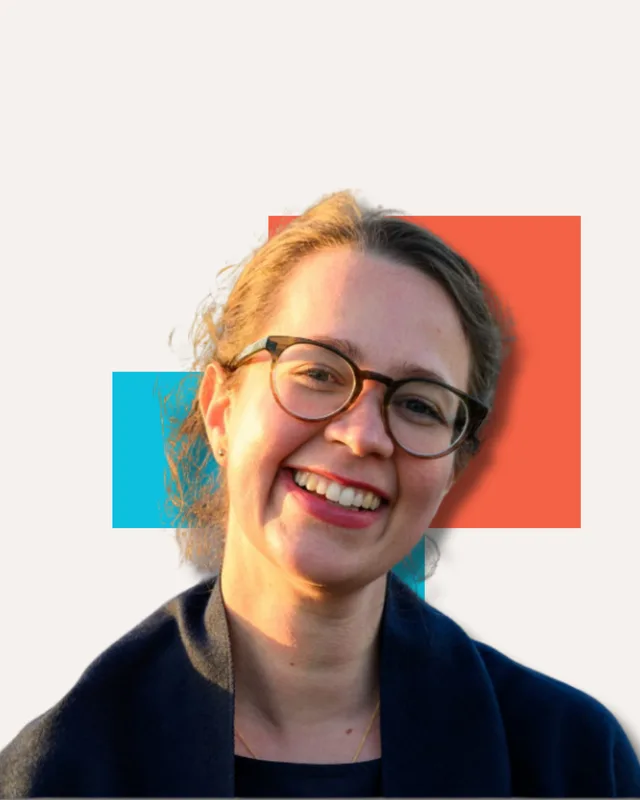
Dr. Wasu Mekniran
CEO
Designs the verification model and leads the payer conversations.
PhD in healthcare financing, ETH Zurich · MBA, MSc Computation · first author on the EDEN papers
Dr. Susanne Oudbier
Chief Medical Officer
Defines the outcomes and signs off on the clinical side.
MD PhD · resident physician at HOCH Ostschweiz
Anej Rozman
Quantitative Scientist
Develops the risk and health-economic models.
MSc Quantitative Finance, UZH/ETH
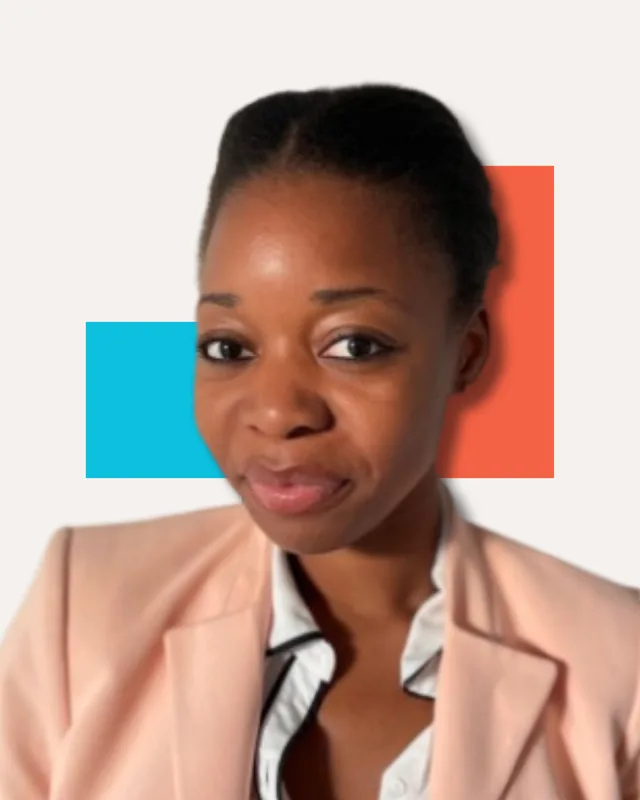
Djata Sigam
Software Engineer
Builds Outcome Studio, the audit chain and settlement.
MSc Mathematics, Imperial College London and ETH Zurich · 8+ years of fintech software

Advisory board
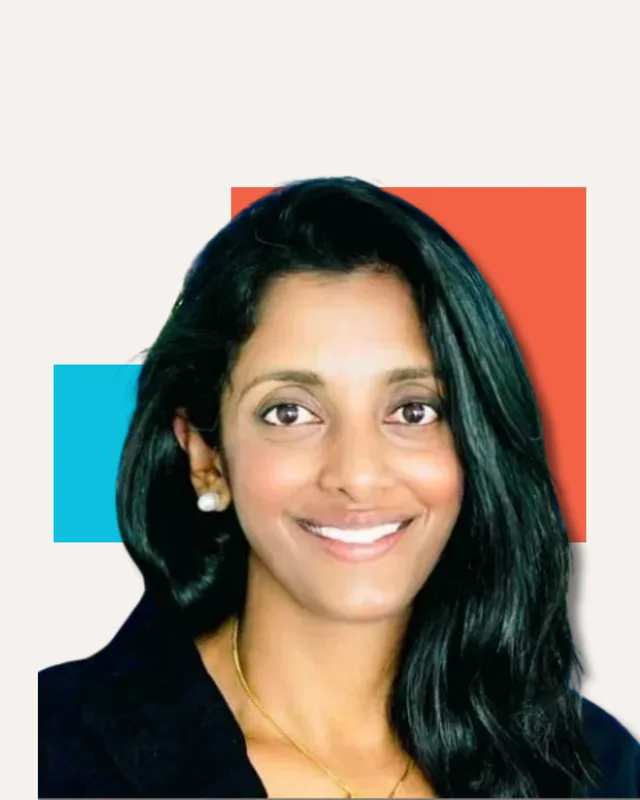
Dr. Ajintha Pathmanathan
Clinical advisor
- MD, MPH
- 20+ years of medical leadership across UK, US and Australian systems
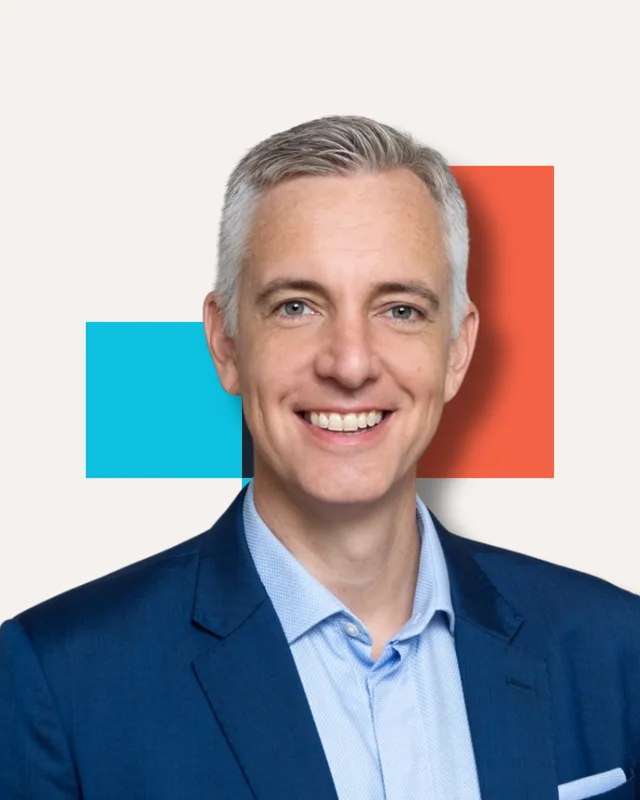
Niklaus Neddermann
Financial advisor
- CEO of a FINMA-licensed asset manager
- Formerly Julius Bär and the Swiss National Bank
Prof. Dr. Thomas Giroux
Academic advisor
- Professor for Sustainable Finance, D-MTEC, ETH Zurich
Selected research
8 publications behind the model
- 2026Health Technology Assessment of Swiss Digital Diabetes ScreeningMekniran W et al. · medRxiv preprintDOI
- 2026Digital health incentives in type-2 diabetes preventionMekniran W, Diethelm W, Stalder V, Fleisch E, Kowatsch T, Jovanova M · Digital HealthDOI
- 2026Assessment of B2C Model for Digital Diabetes ScreeningMekniran W, Kowatsch T · BMC Health Services ResearchDOI
Research carried out by the founding team at ETH Zurich, the University of St. Gallen and HOCH Ostschweiz. Institutions do not endorse Sanafin.
Traction
Four partners, one pathway.
From signed letter to proof of concept, into care, across sites. Anonymised by agreement; letters available to investors under NDA.
- 01Letter of intent
- 02Proof of concept
- 03Implementation
- 04Scale
Swiss cantonal hospital
Diabetes care proof of concept · signed Jun 2026
Proof of concept · Running to Oct 2026
Swiss digital health company
Digital-health partner in the proof of concept
Proof of concept · Active
University longevity medicine centre
Workflow validation
Letter of intent · Scoping
Preventive health provider
Workflow validation
Letter of intent · Scoping
For investors
The verification layer for outcome-conditional healthcare payments.
Pre-seed, built on ETH Zurich and HSG research. Swiss digital therapeutics are the proving ground; the same layer settles drug payment and advanced therapies. Request the deck — Wasu sends it personally.
What's in the deck
- 01Why now: three jurisdictions wrote the condition, none built the settlement
- 02How verification, custody and settlement work
- 03The ladder: digital therapeutics, then drugs, then advanced therapies
- 04Traction, team, research, the next 24 months
FAQ
The questions
each side asks first.
Anything else? Book a discovery call and we'll walk you through it.
What does Sanafin cost?
A platform licence, a per-patient fee on enrolment into an outcome-linked pathway, and a success fee on funds recovered when a cohort misses its threshold. The first pilot is a fixed price agreed on the call.
How is this different from an HTA consultant or a CRO?
A consultancy appraises evidence by hand, per project; a CRO runs the study but brings no money. Sanafin makes the funding conditional and the verification repeatable: the outcome definition, the threshold and the settlement rule are written once, and the verdict can be re-run by anyone from the exported file.
What happens when data is missing or a patient drops out?
Dropout and data-freshness rules are part of the contract. Monitoring surfaces gaps early, and unmet or unverifiable milestones are held or returned to the funder rather than paid on trust.
How fast can a pilot start?
Our target is a scoped pilot within two weeks of the first call: data connected in week one, rules live with a first verification report in week two. Going live depends on data access and the funder's sign-off.

Fund the outcome, not the promise.
Manufacturers, insurers, hospitals
Design your first outcome-conditional contract in a 25-minute call.
Book a discovery callReply within one working day · NDA on request
Investors
Investing in healthcare payments or fintech infrastructure?
Request the deckSent personally by the CEO · view-only link